
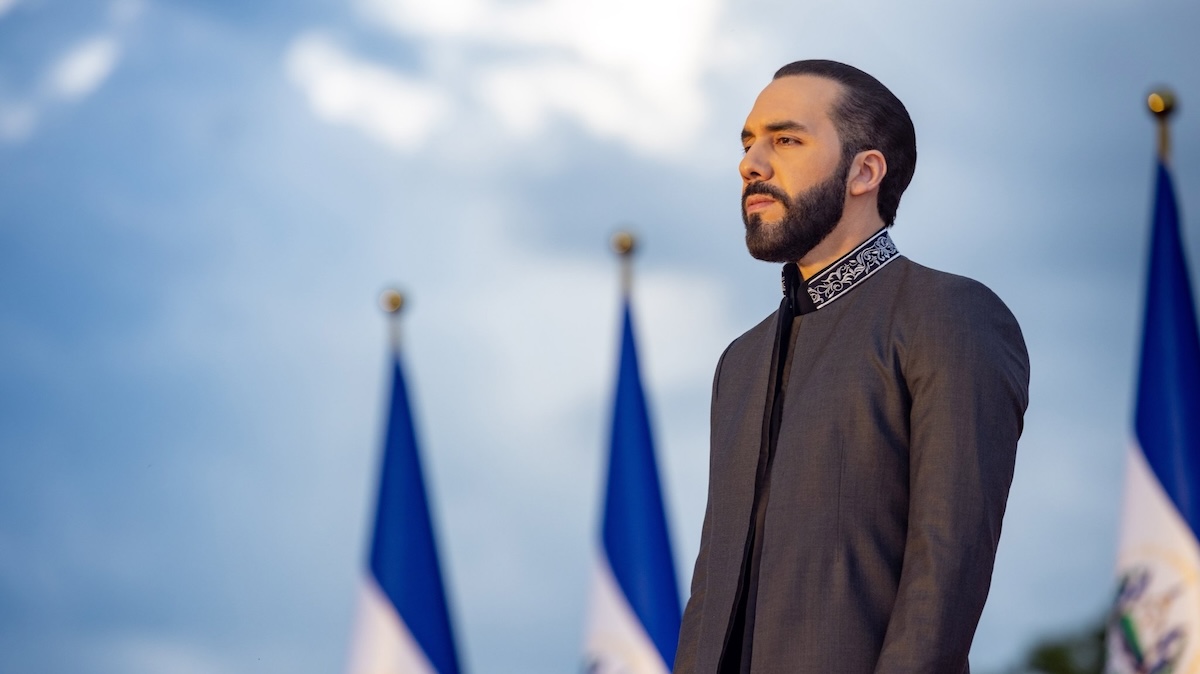
The “Bukele model” has managed to politically seduce large majorities in Latin America to the point of making them prefer extreme authoritarianism in exchange for supposed public safety.
The government’s latest offensive came after the release of a documentary co-produced by PBS that allegedly exposes the deals Bukele is said to have struck with El Salvador’s most powerful gangs.
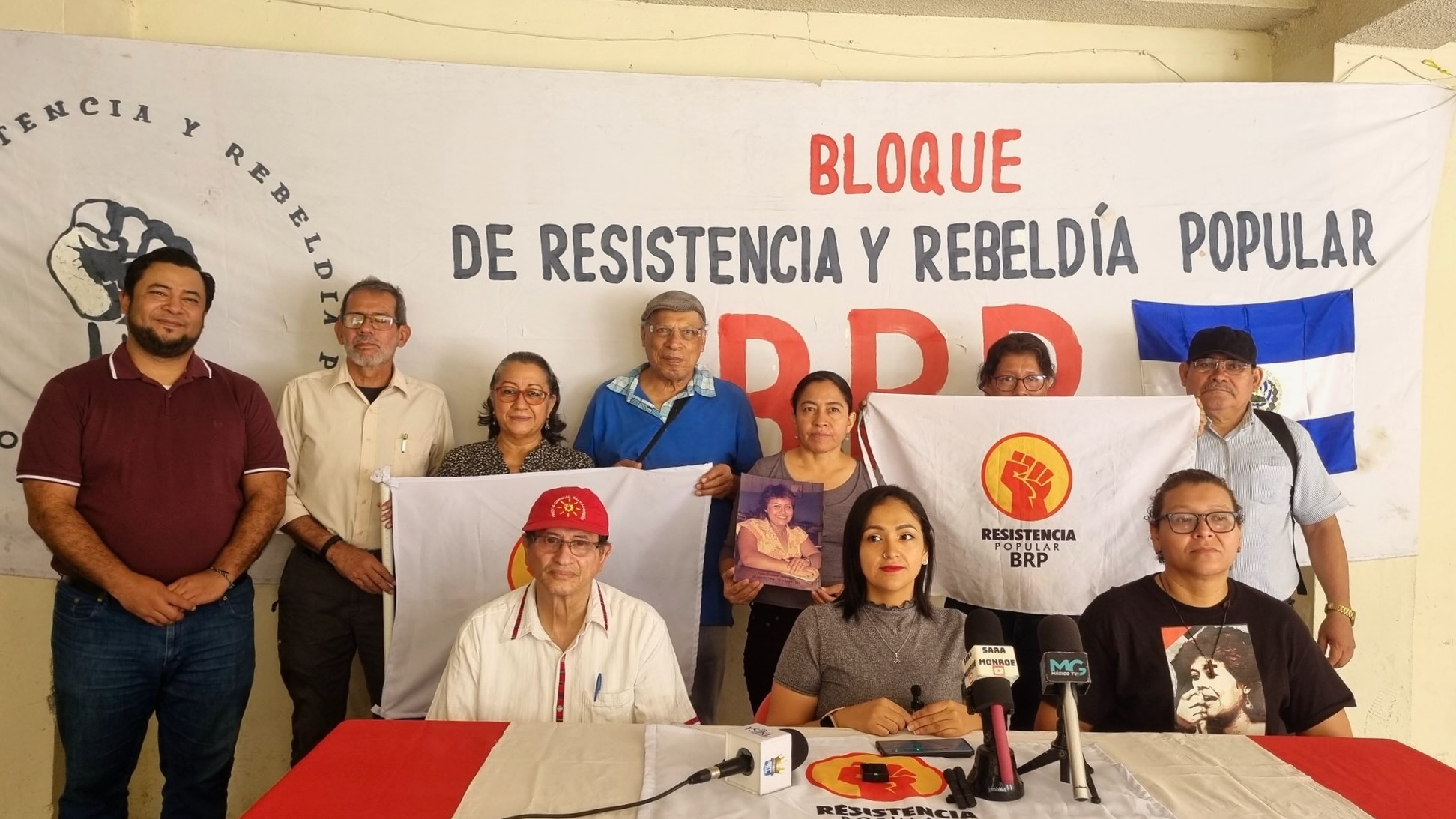
The October 31 commemoration links past revolutionary struggles with today’s fight for labor rights and democracy.
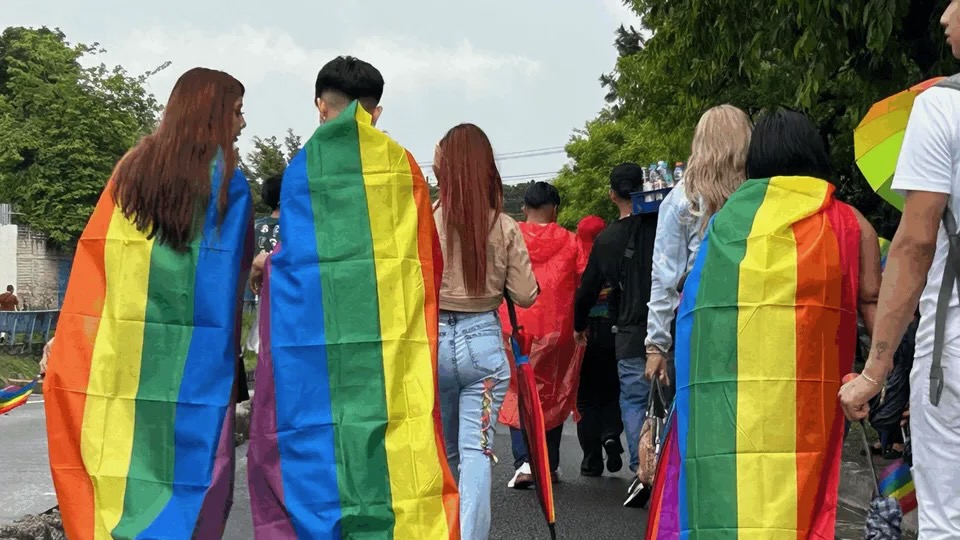
Women and the LGBTQIA+ community have become the faces of resistance against the far-right Salvadoran government.
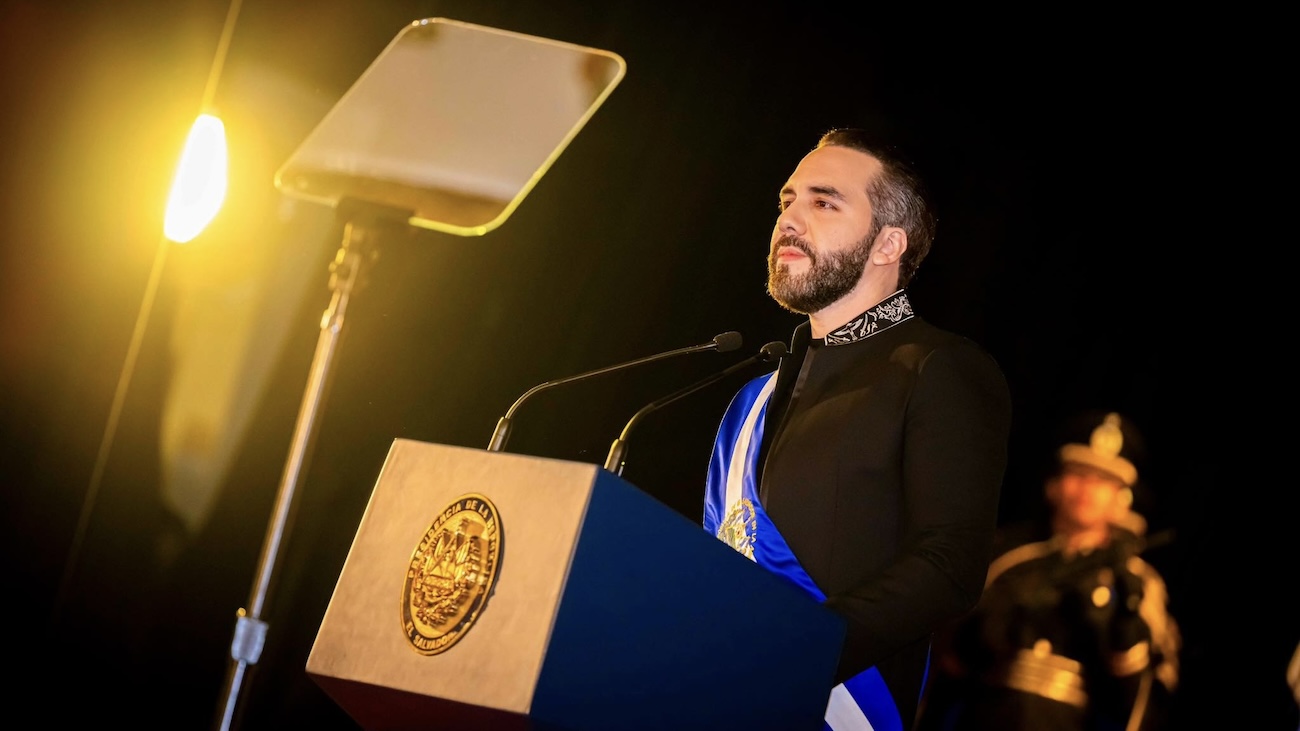
The Salvadoran legislature also extended presidential term limits. Despite Bukele’s support, several voices from the opposition denounce an anti-democratic drift in the country.
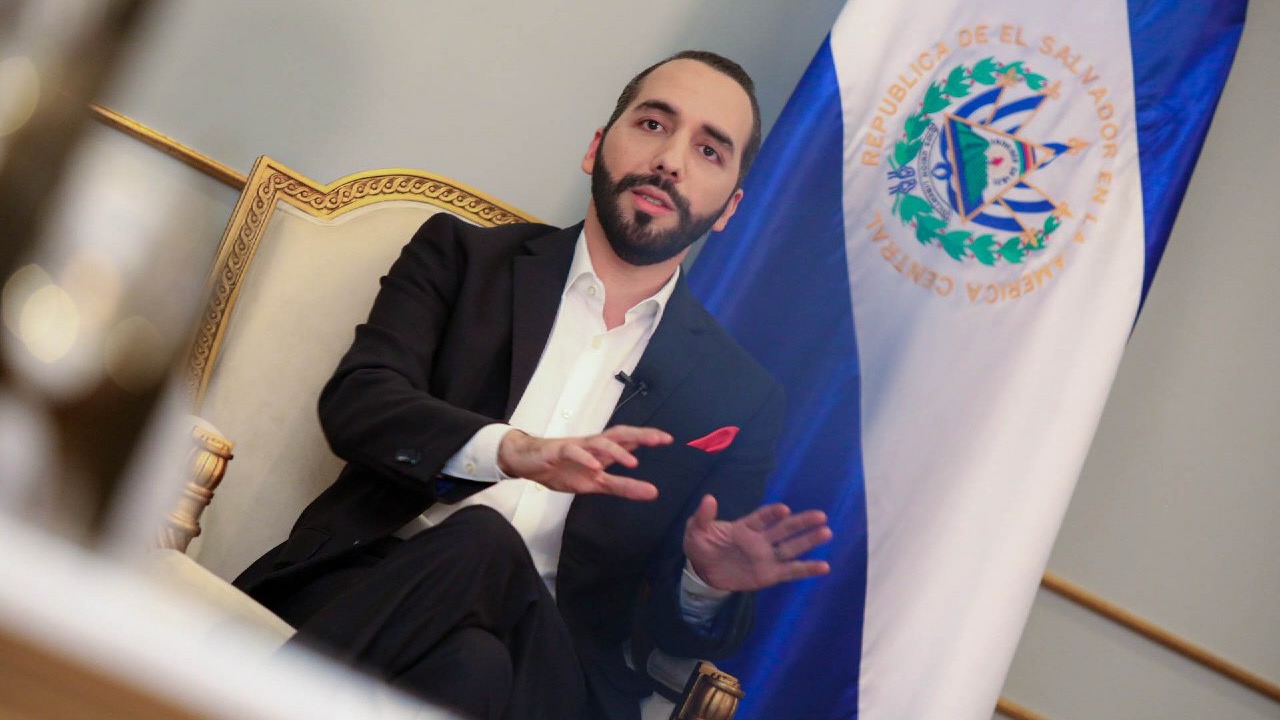
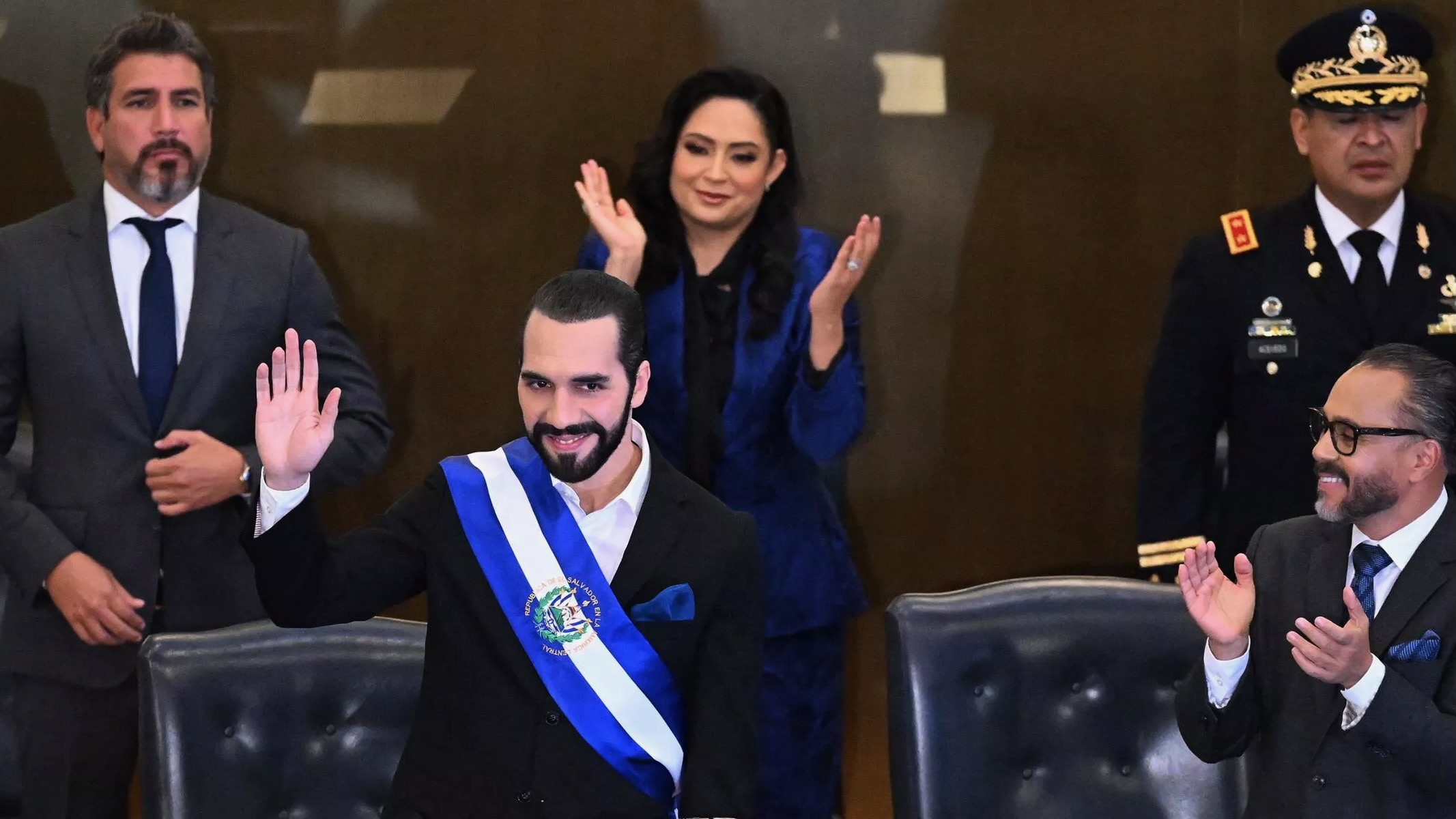
June 1 marked the first year of the second term of Salvadoran President Nayib Bukele, who won the 2024 presidential elections with almost 85% of the votes.
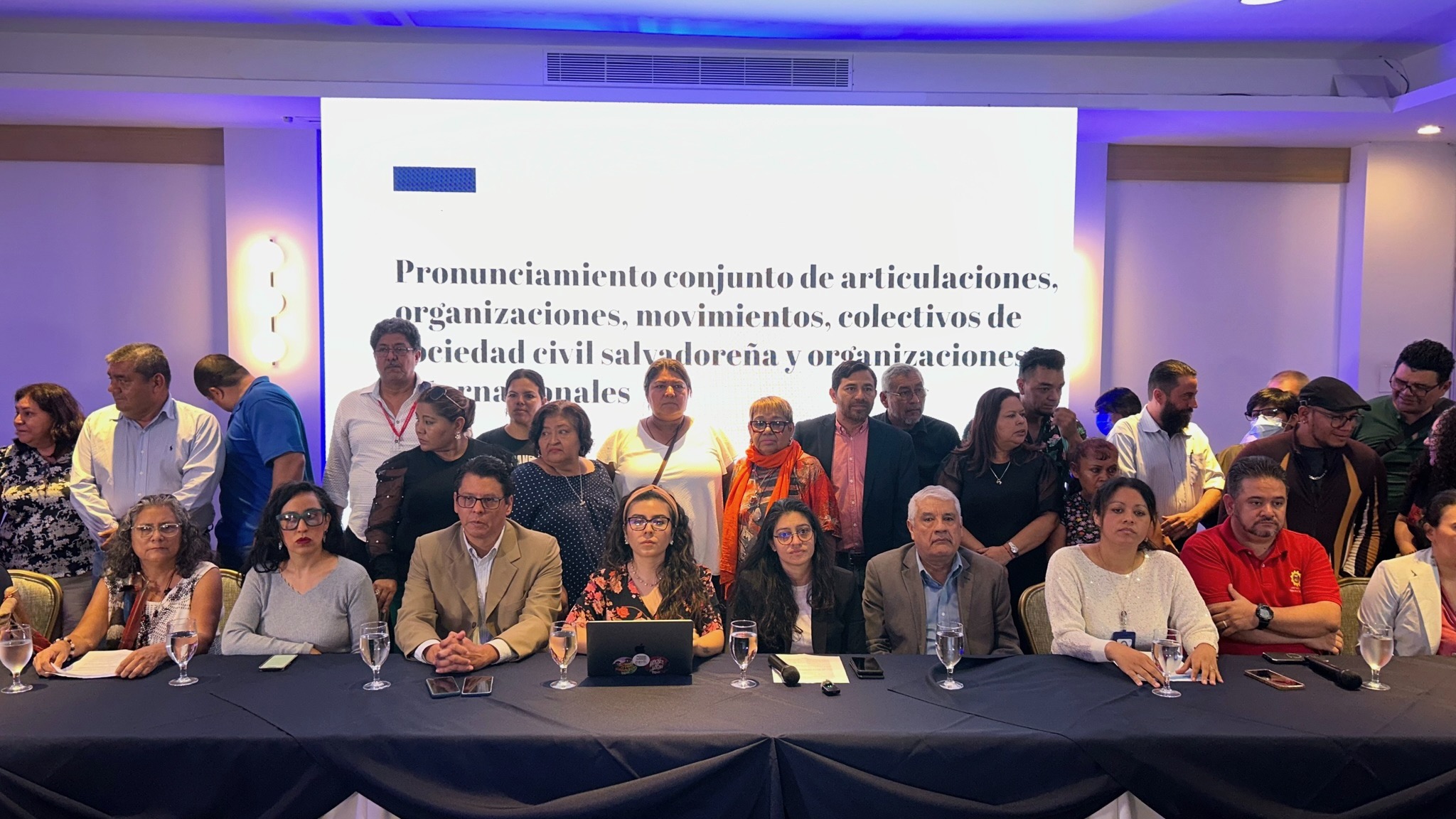
The arrest came after Bukele proposed a Foreign Agents Law to tax NGOs operating in El Salvador.
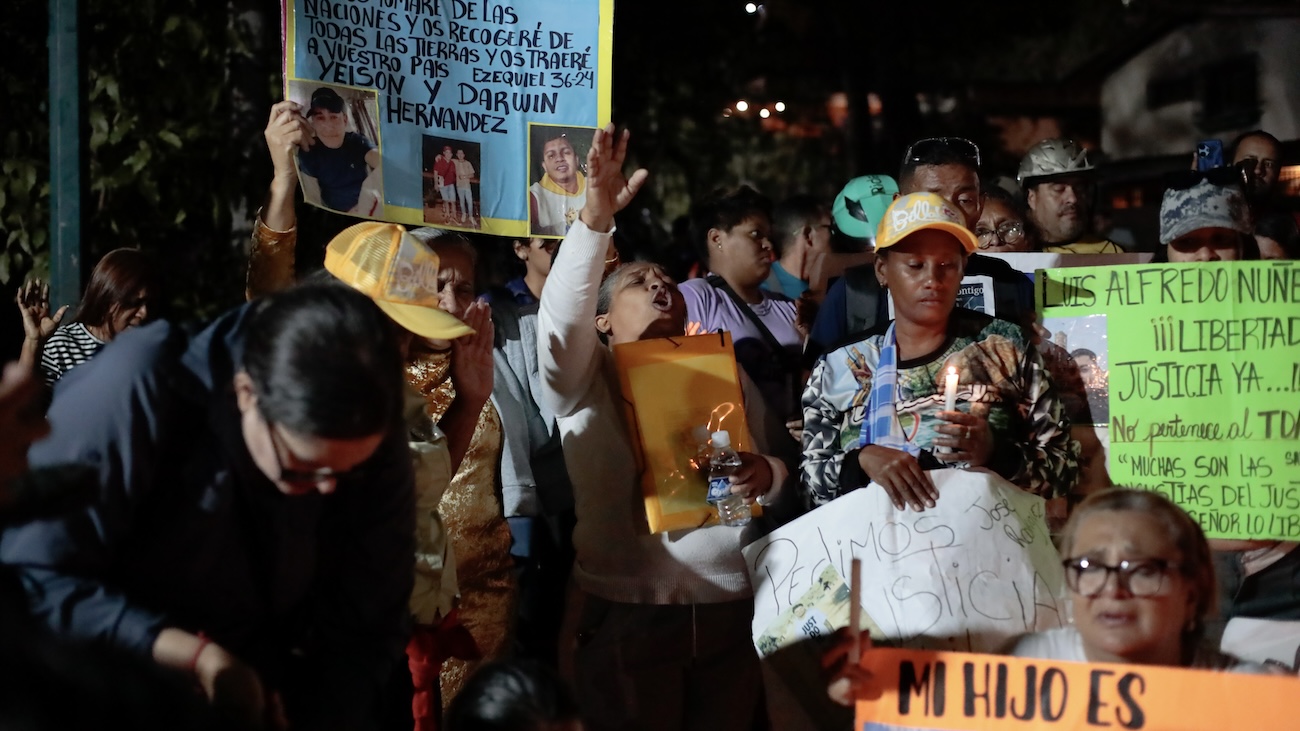
The Venezuelan Attorney General’s Office requested information on the detainees. Social organizations accuse Bukele of imprisoning Salvadoran politicians despite his rhetoric against Venezuela.
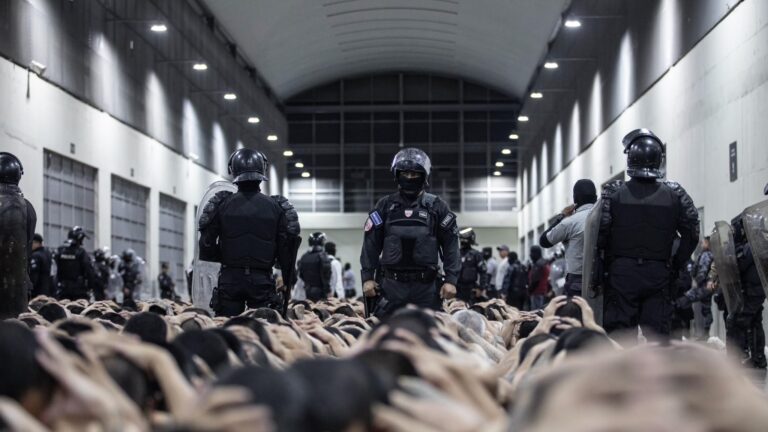
The alliance between Trump’s expanding deportation campaign and Salvadoran President Bukele’s carceral authoritarianism has major implications for human rights and the future of democracy.
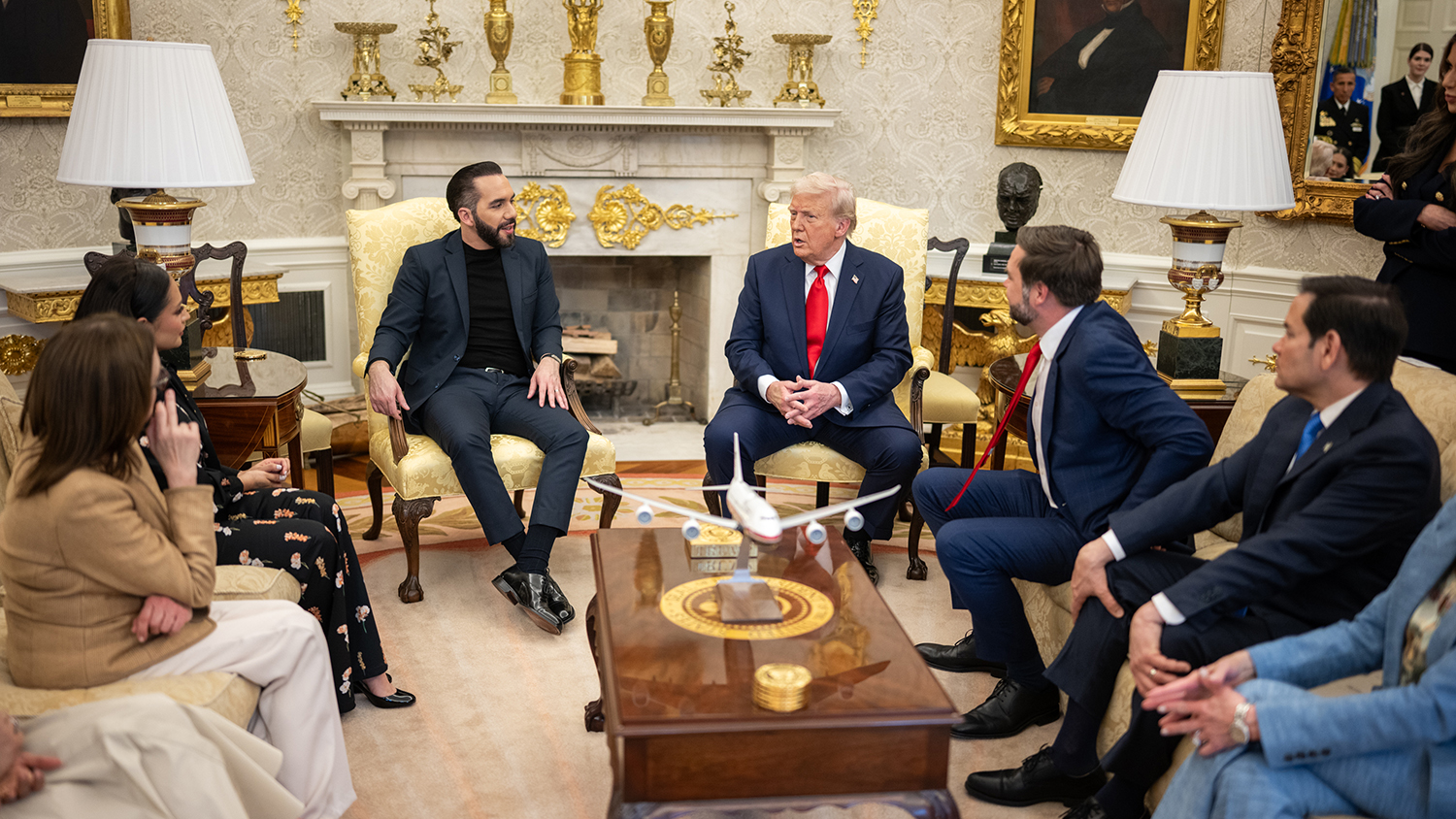
The Trump administration has admitted that Maryland worker Kilmar Abrego Garcia was deported due to an “administrative error,” but has defied court orders to return him to his family

US Secretary of Homeland Security tours CECOT mega-prison, and signs a new security cooperation agreement between San Salvador and Washington.

After defying a court order, the Trump administration has dug its heels in defense of the deportation flights
- Brazil approves end to 6×1 work schedule and reduction of the work week to 40 hours
- Israel kills 31 people in Lebanon on the eve of Eid al-Adha
- Israel carries out sixth consecutive Eid massacre in Gaza
- Far-right Janez Janša to return for fourth government term in Slovenia
- With peace deal nearly final, US launches fresh attacks on Iran